Sending a payment reminder message to a client is a standard part of running a business, yet it often creates anxiety for freelancers and small business owners. Approaching these communications with a balance of firmness and professional courtesy ensures you get paid while maintaining a positive relationship with your customer. By timing your outreach correctly and using clear language, you can significantly reduce the time invoices spend in the “unpaid” category.
When to Send Your First Payment Reminder
Timing is critical when managing accounts receivable. You should always send a friendly nudge a few days before the official due date to ensure the invoice hasn’t been overlooked or lost in a crowded email inbox.
Pre-due date check-ins
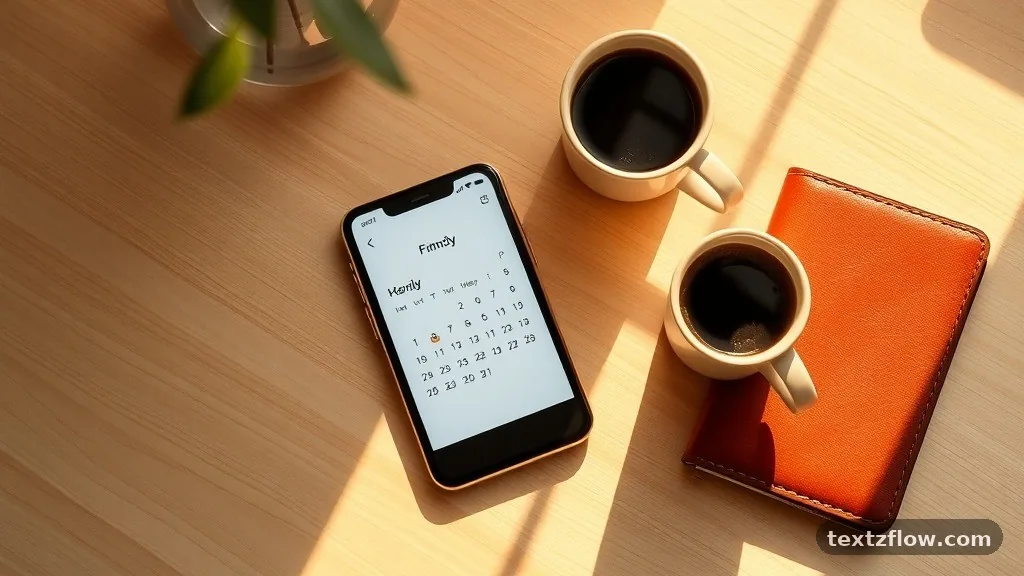
Sending a brief note three days before the deadline serves as a helpful service rather than a demand. It acts as a polite heads-up that allows the client to process the payment within their standard accounting cycle.
The first reminder after the deadline
If the due date passes without a transaction, wait no more than two or three days to send your first formal reminder. Many businesses have a grace period, but staying proactive prevents a small oversight from turning into a long-term debt issue. You can find helpful advice on managing your business finances through official government resources to keep your cash flow healthy.
Crafting the Right Tone
The goal of your communication is to prompt action without causing offense. Your tone should remain neutral, objective, and helpful. Avoid accusatory language, as the delay is often due to administrative error or a simple mistake rather than intentional avoidance.
Elements of an effective message
* Clear Subject Line: Include the invoice number and the client’s name so they can identify the request immediately. * The Specific Amount: State the total balance clearly to avoid any confusion. * The Due Date: Reiterate when the payment was expected to clarify the status of the account. * Payment Methods: Provide a direct link to your payment portal or attach the invoice again to remove any friction.
Handling Different Stages of Delinquency
As time passes, your messaging should shift from a gentle inquiry to a more direct request. Adapting your language helps the client understand the urgency of the situation as the days overdue accumulate.
The friendly nudge (1–7 days late)
At this stage, assume the best. Send a short email stating: “I’m just following up on invoice #123, which was due on [Date]. I have attached a copy here for your convenience. Please let me know if you have any questions or if you need any additional information to process this.”
The firm request (14–30 days late)
Once the payment is significantly late, your language should become more formal. Clearly state that the account is past due and request an immediate update on the status of the funds. If you have late fees, this is the time to reference the terms outlined in your original contract.
Best Practices for Communication Channels
While email is the standard for professional billing, different communication channels require different approaches.
Using SMS or WhatsApp
If you have an existing relationship that involves text messaging, a short, informal reminder can be effective. Keep it brief: “Hi [Name], just a quick reminder that invoice #123 was due on [Date]. Please let me know once this has been processed!” Avoid using these channels for aggressive collections, as they are best reserved for quick, friendly updates.
Maintaining consistency
Create a standardized template for your reminders to ensure you remain professional every time. Keep a log of when you sent each reminder, as this documentation is essential if you ever need to escalate the matter to a collections agency or legal counsel. Consistency helps your clients understand that you take your payment terms seriously.
Frequently Asked Questions
How can I avoid late payments in the future?
The best way to prevent late payments is to send invoices immediately upon completion of the work and clearly state your payment terms in your contract. Offering multiple payment methods can also encourage clients to pay faster.
What if the client ignores my messages?
If a client ignores multiple emails, consider calling them directly. A phone conversation is often more difficult to ignore and can help resolve underlying disputes that might be preventing payment.
Is it okay to charge late fees?
Yes, as long as you have clearly defined late fee policies in your original agreement or contract. Always mention these terms when you first onboard a client so there are no surprises if a payment is late.