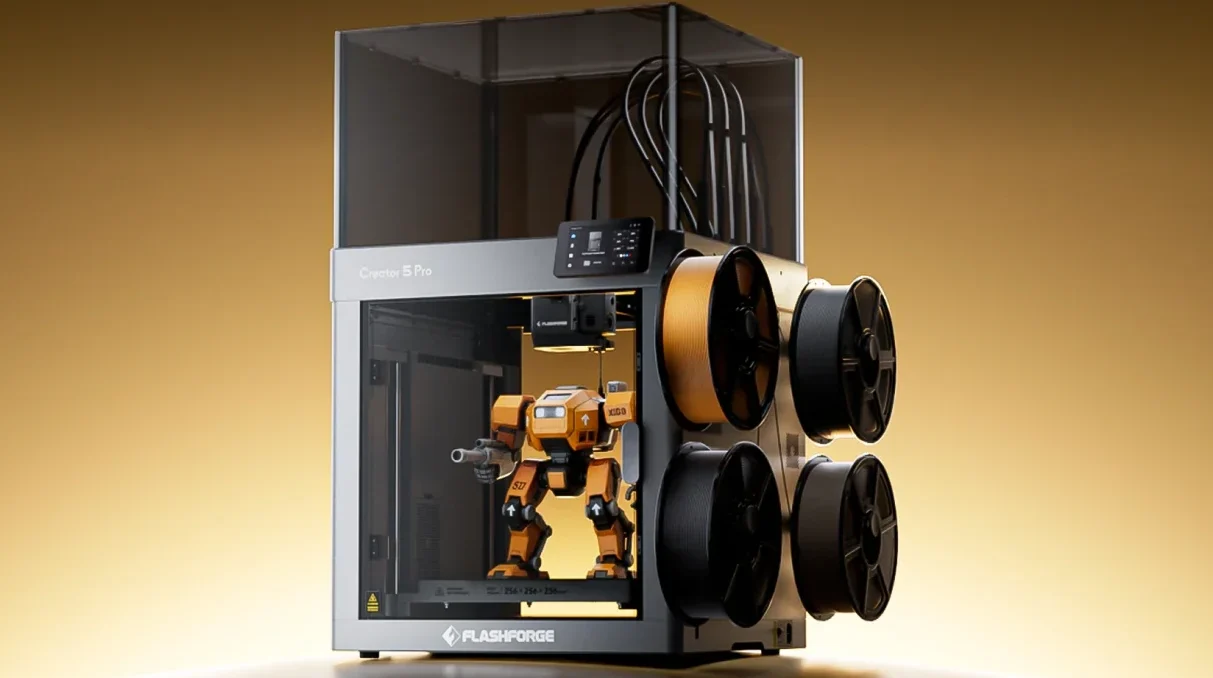
A home 3D printer can do more than produce display models. It can make a cable clip sized for your desk, a replacement knob for a drawer, or a gift with someone’s name on it. The projects most worth printing are often the ones you can tailor to a specific space or person. Start with a simple use, then decide whether the material and design are suitable for it.
Everyday Items You Can 3D Print at Home
A 3D printer is particularly useful when a small item needs an unusual size. You might print a pen holder that fits a narrow shelf, a headset stand, cable clips, or dividers for a desk drawer. In the kitchen, consider non-food-contact items such as labels for spice jars or organizers for a utensil drawer.
Small repair parts are another possibility. If a cabinet knob breaks, you can measure the original and design a replacement to fit its existing hardware. Simple clips and brackets may also be practical projects, provided you consider how much force and heat they will face. A printed replacement should not be assumed suitable for a safety-critical or heavily loaded part.
Storage projects offer room to experiment without making anything large. Try a box for loose screws, a holder for craft tools, or a tray shaped around the contents of a drawer. Printing one small piece first lets you check the dimensions before making a full set.
Home Decor and Seasonal Decorations
An FDM 3D printer builds an object from layers of filament, making it well suited to geometric forms, textured surfaces, and pieces you can customize. Planters, decorative vases, wall art, and plant stands can all begin as modest projects. If a print needs to hold water, check that the finished piece is watertight or use a separate container inside it.
Seasonal decorations are easy to personalize. A family might print names for holiday ornaments or make matching Halloween figures for a mantel. Larger pieces can be printed in sections and assembled afterward.
Take more care with lighting projects. A decorative shade used near a light source must be designed around the fixture’s heat and electrical components. Do not treat a standard filament print as a tested electrical enclosure or place it where it could overheat.
Projects for Hobbies and Entertainment
Tabletop games offer many manageable first projects: dice trays, miniature bases, terrain pieces, and storage for tokens. You can print a small sample to check its detail before committing to an entire set. Figures and decorative miniatures may need supports and cleanup, especially if they have overhangs or thin features.
Cosplay projects can be more ambitious. A mask or armor piece may need to be divided into parts that fit the printer’s build area, then joined, sanded, and painted. These projects are enjoyable if you want to spend time finishing the object, rather than expecting it to be ready as soon as the print ends.
Personalized Gifts You Can Make
The value of a printed gift often lies in its details. A keychain can carry a recipient’s initials; a desk sign can match their workspace; an ornament can include a date that matters to them. You can also make decorative earrings, pins, or small keepsakes, checking that any purchased findings are securely attached.
Before printing several gifts, make one test piece. It gives you a chance to check the spelling, size, finish, and time required. A design that looks right on a screen may be too small to read or awkward to use once printed.
What Should You Check Before Printing?
Match the filament to the project. PLA is a common starting point for models and decorative pieces, but it has limited heat resistance. PETG can suit some more durable household parts, while flexible TPU may work for items that need to bend. Confirm that your printer supports the material and that the specific design is appropriate for its intended use.
Check an STL or 3MF file before printing it. Review its dimensions, wall thickness, orientation, and any support structures it needs. The slicer’s time and material estimates can help you decide whether a large object is worth making or whether a smaller version would serve the same purpose.
Expect some finishing work, such as removing supports, fitting pieces together, sanding, or painting. Also keep the item’s limits in mind: an ordinary filament print should not automatically be considered safe for direct food contact. Layer lines can make food-contact surfaces difficult to clean. Be similarly cautious with items exposed to high heat, substantial loads, electricity, or use by young children.
Conclusion
The best first project does not need to be impressive. A well-sized organizer, a useful replacement knob, or a personal gift can show what home printing does well. Begin with a small, low-risk object, check how it works in daily use, and build toward more complex projects as you gain experience.