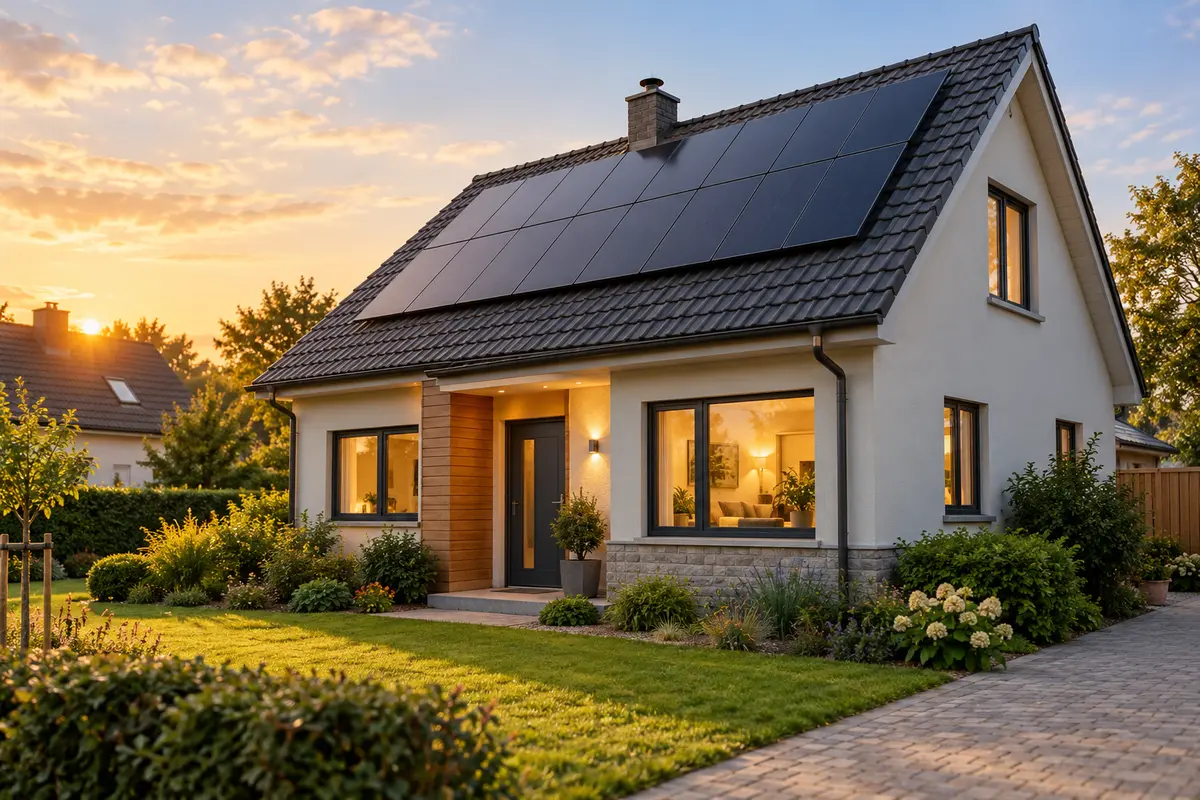
Planning energy efficient home upgrades can feel overwhelming, but focusing on the right projects leads to genuine comfort and lower monthly costs. Whether you are looking to lower your carbon footprint or simply stop wasting money on utility bills, small changes often yield the biggest long-term rewards.
This article covers the most effective ways to improve your house, helping you prioritize investments that offer the best return on your time and money. You will discover how specific improvements, from insulation to modern appliances, create a more sustainable living space while potentially qualifying you for valuable government tax credits.
Identifying High-Impact Improvements
The most effective way to reduce your energy use is by tackling the “envelope” of your home first. Think of your house like a thermos; if the lid isn’t tight, the heat escapes regardless of how good the heating system is. Focus your attention on sealing air leaks around doors, windows, and attic hatches.
Adding insulation to your attic is often the single most cost-effective upgrade you can make. When your home is properly sealed and insulated, your mechanical systems don’t have to work as hard to maintain a comfortable temperature.
Upgrading to Energy Star certified windows is another significant step toward better efficiency. Older, single-pane windows act as thermal bridges, pulling heat out of your rooms during the winter and letting it pour in during the summer. Modern double or triple-pane windows use inert gas fills to provide a strong barrier against the elements.
While this is a larger upfront investment, the reduction in drafts is immediate. You’ll notice that rooms near windows feel much more stable in temperature throughout the changing seasons.
Transitioning to Modern Heating and Cooling
Moving away from older, fossil-fuel-dependent furnaces toward a modern heat pump is a transformative change for many homeowners. Heat pumps work by transferring thermal energy rather than creating it through combustion, which makes them incredibly efficient. They provide both heating and cooling in a single unit, effectively replacing two separate systems.
Because they are so efficient, they often pay for themselves through significantly lower monthly utility bills over time. Many regions now offer local rebates to help bridge the gap between the cost of a traditional furnace and a high-efficiency heat pump.
Water heating is another area where efficiency gains are often overlooked. Traditional tank-style heaters keep gallons of water hot 24/7, even when you aren’t using it. A tankless water heater or a heat pump water heater can eliminate this standby energy loss.
These systems heat water on demand or move existing heat into the tank, using far less power than standard models. Choosing a model with a high energy factor rating ensures you are getting the best performance for your specific household size.
| Upgrade Category | Primary Benefit | Typical Efficiency Gain |
|---|---|---|
| Attic Insulation | Thermal Retention | 15% – 25% |
| Heat Pump Installation | System Efficiency | 30% – 50% |
| Energy Star Windows | Air Sealing | 10% – 20% |
| Smart Thermostats | Usage Control | 8% – 12% |
Navigating Tax Credits and Incentives
Financial incentives make energy efficient home upgrades more accessible for the average family. The federal government provides a tax credit that allows you to deduct a percentage of the cost of qualified improvements from your total tax bill. Under current guidelines, you can often claim up to 30% of the cost for specific projects like insulation, exterior doors, and heat pumps.
It is essential to keep all your receipts and manufacturer certifications to prove that the products you installed meet the necessary criteria. You can learn more about specific federal tax credits through the official Energy Star resource center to see which projects qualify for the current year.
* Check if your local utility company offers rebates for appliance recycling.
* Verify that your contractor is familiar with the documentation required for tax credits.
* Prioritize projects that carry the Energy Star label to ensure they meet federal standards.
* Keep a dedicated folder for all manuals, warranties, and proof-of-purchase documents.
Always check your state and local municipal websites for additional programs. Many cities have specific grant programs for low-income households or older properties that need significant weatherization.
These local programs often stack on top of federal credits, sometimes covering a substantial portion of the project cost. Don’t assume that only big, expensive projects qualify; even smaller items like smart thermostats can occasionally be subsidized by local energy providers looking to reduce grid demand.
Common Questions About Home Efficiency
What are the most effective home upgrades for energy efficiency?
The most effective upgrades are those that address the building envelope, such as adding insulation and sealing air leaks. Once the home is sealed, transitioning to high-efficiency equipment like heat pumps and heat pump water heaters offers the highest long-term savings.
What qualifies for energy-efficient home improvements?
Qualified improvements generally include exterior doors, windows, insulation materials, and high-efficiency heating and cooling equipment. Items must meet specific energy efficiency standards set by the Department of Energy to be eligible for federal tax credits.
Will there be tax credits for home improvements in 2026?
Current federal legislation includes provisions for residential energy credits that extend through 2032. You should always consult with a tax professional or the official IRS documentation to verify the specific limits and rules applicable to the tax year you are filing.
What home improvements reduce my energy bill the most?
Reducing your heating and cooling load is the fastest way to drop your bill. Improving attic insulation, replacing old windows, and installing a programmable or smart thermostat are the most consistent ways to see a reduction in your monthly energy costs.
Embracing a More Efficient Future
Investing in your home’s performance is one of the few decisions that pays you back in both comfort and cash. By focusing on air sealing, insulation, and modernizing your heating and cooling systems, you turn your living space into a more resilient asset. These energy efficient home upgrades don’t just lower your bills; they improve the air quality and temperature consistency of your daily environment.
Start with the projects that offer the quickest return, such as adding insulation or sealing gaps, and build from there. Taking these steps today ensures your house remains a cozy, affordable place to live for years to come.